WHAT IS AGORAPHOBIA?
Agoraphobia is an anxiety disorder where a person feels intense fear in situations where they worry it might be hard to escape or get help if anxiety or panic starts. This fear often develops after experiencing a panic attack. As a result, someone may avoid places like crowded areas, public transportation, open spaces, or even leaving their home, because they feel safer staying in familiar environments.
TYPES OF AGORAPHOBIA:
Agoraphobia with panic disorder
Agoraphobia without panic disorder
EMOTIONAL SYMPTOMS:
Strong fear or anxiety in places like public transportation, open or enclosed spaces, or crowded areas
Worry about having a panic attack, losing control, or feeling overwhelmed in public
Feeling trapped, helpless, or disconnected from their surroundings or from themselves
Fear of going places alone and needing a trusted person to feel safe
Avoidance of situations that leads to significant stress or makes daily life harder, such as work, errands, or social activities
PHYSICAL SYMPTOMS:
A fast or pounding heartbeat
Sweating, shaking, or trembling
Shortness of breath or feeling like it’s hard to breathe
Dizziness, lightheadedness, or feeling faint
Chest tightness or discomfort
Nausea or an upset stomach
Chills or sudden feelings of heat
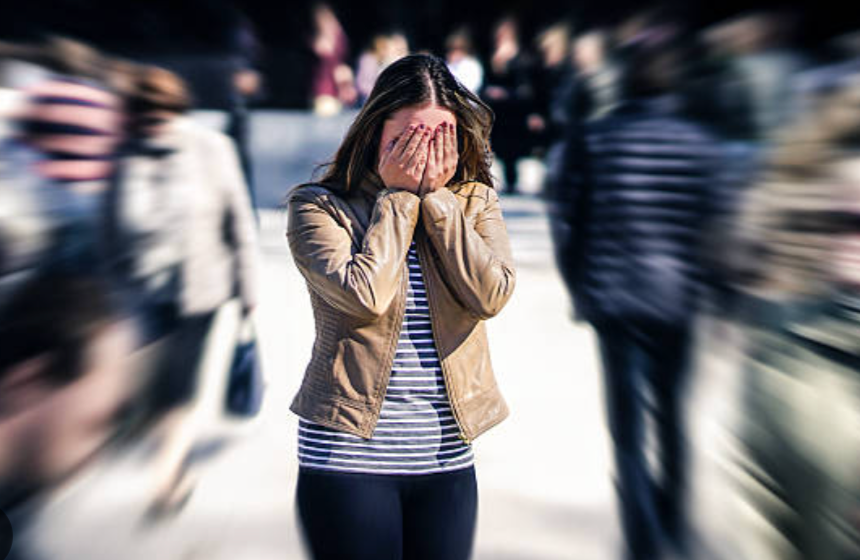
BEHAVIORAL SYMPTOMS:
Avoiding places or situations that feel scary or overwhelming
Staying at home for long periods because it feels safer
Needing a trusted person to go out or run errands
Feeling unable to manage or function independently in public
TREATMENT FOR AGORAPHOBIA
COGNITIVE BEHAVIORAL THERAPY
CBT is one of the most effective treatments for agoraphobia. It helps you understand how your thoughts, feelings, and behaviors are connected and teaches you practical skills to reduce fear and avoidance. You learn how anxiety and panic work in the body and why symptoms feel so intense but are not dangerous. This helps reduce fear of the sensations themselves. CBT helps you notice fearful thoughts like “I’ll lose control” or “I won’t be able to escape.” You learn to challenge these thoughts and replace them with more realistic, balanced ones.
EXPOSURE THERAPY
Instead of avoiding feared places, exposure therapy gently helps you face them step by step. You might start with something small (like standing outside your door) and slowly work up to more challenging situations (like going to a store or using public transportation). This teaches your brain that you can cope and stay safe.
During therapy you reduce safety behaviors by letting go of habits that keep anxiety going, such as always needing a companion, constantly checking for exits, or escaping situations early. Over time, repeated practice helps anxiety decrease and confidence grow, allowing you to return to activities that matter to you.
Exposure therapy doesn’t aim to eliminate anxiety completely. Instead, it helps you feel less afraid of anxiety, regain your independence, and live your life without fear controlling your choices.
Medication
Selective Serotonin Reuptake Inhibitors: Often the first choice, these antidepressants help regulate mood and reduce anxiety.
Serotonin-Norepinephrine Reuptake Inhibitors: Also used to treat anxiety disorders.