

Generalized anxiety is excessive worry about many different things in every day life like work, family, finances, and school. The worry is disproportionate to the situation and may not be warranted at all. It interferes with work, school, or social life and has to last for 6 months or longer.
WHAT IS GAD?
COMMON SYMPTOMS:
Rumination and obsessive thoughts about every day things in the future or past
Feeling constantly on edge, tense, or restless
Muscle tension, headaches, trembling, or twitching
Difficulty falling/staying asleep, restless sleep
Trouble concentrating or paying attention
Easily tired, irritable
TREATMENT FOR GENERALIZED ANXIETY DISORDER
COGNITIVE BEHAVIORAL THERAPY:
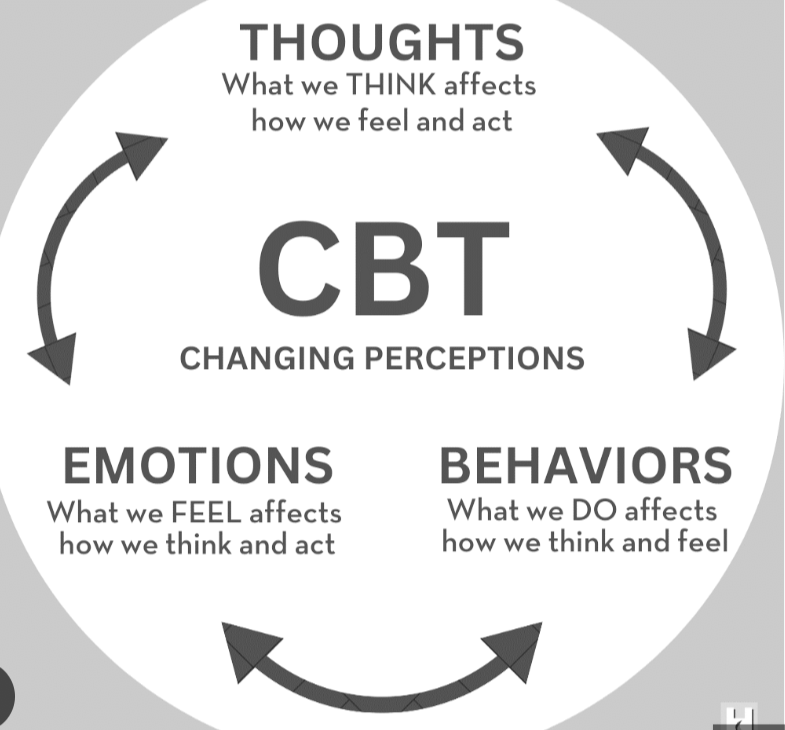
Cognitive Behavioral Therapy (CBT) is an evidenced based, short-term, practical type of therapy that focuses on what you are experiencing right now, rather than spending a lot of time on the past. The goal is to help you build skills so you can better understand and manage your thoughts, feelings, and behaviors on your own.
In CBT, you will learn to notice unhelpful thought patterns and behaviors that can increase anxiety. Together, we will practice questioning these thoughts and finding more balanced, realistic ways of looking at situations. You will also learn new coping strategies and healthier behaviors to help you feel more in control.
CBT is very hands-on and skill-based. You may be asked to practice techniques between sessions, such as writing down thoughts, testing out new coping skills, listening to worry scripts, or using mindfulness exercises. These tools are meant to help you apply what you learn in therapy to your everyday life.
MEDICATION:
The first-choice options for treating generalized anxiety disorder (GAD) are antidepressant medications:
Selective Serotonin Re-uptake Inhibitors (SSRIs) have been found to be effective in reducing the symptoms of GAD and improving overall functioning.
Serotonin-Norepinephrine Re-uptake Inhibitors (SNRIs) are effective in reducing symptoms of GAD.
:
COMBINED CBT & MEDICATION:
A combination of CBT and SSRI or SNRI medication is often effective.